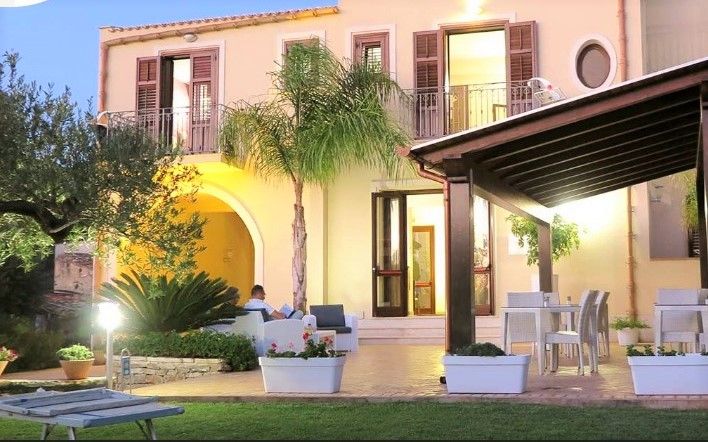

Some news items are read in a few minutes, while others linger longer, like the aroma of a freshly opened cake. The confirmation of Italy's 394 Michelin stars in 2026 falls into the latter category. It speaks not only to restaurants, but to a gastronomic culture that continues to be observed, studied, and appreciated around the world.
Within this map of taste, traditional Italian pastry making isn't a footnote, but part of the story. Among the desserts most frequently featured on Michelin-starred menus, two names stand out clearly, needing no introduction: Sicilian cannolo and cassata .
When sweetness becomes memory
Tasting a traditional dessert is never a neutral gesture; it's not just sugar, ricotta, or the scent of citrus fruits, but a sum of emotions, memories, repeated gestures, village festivals, and slow Sundays.
Perhaps this is why, even in haute cuisine, some desserts stand the test of time and fashion.
The Michelin Guide indirectly confirms this: while techniques change and presentations become more streamlined, the connection to tradition remains a solid value. Especially when that tradition is capable of immediately describing a region.
The Sicilian cannolo, a balance that allows no shortcuts
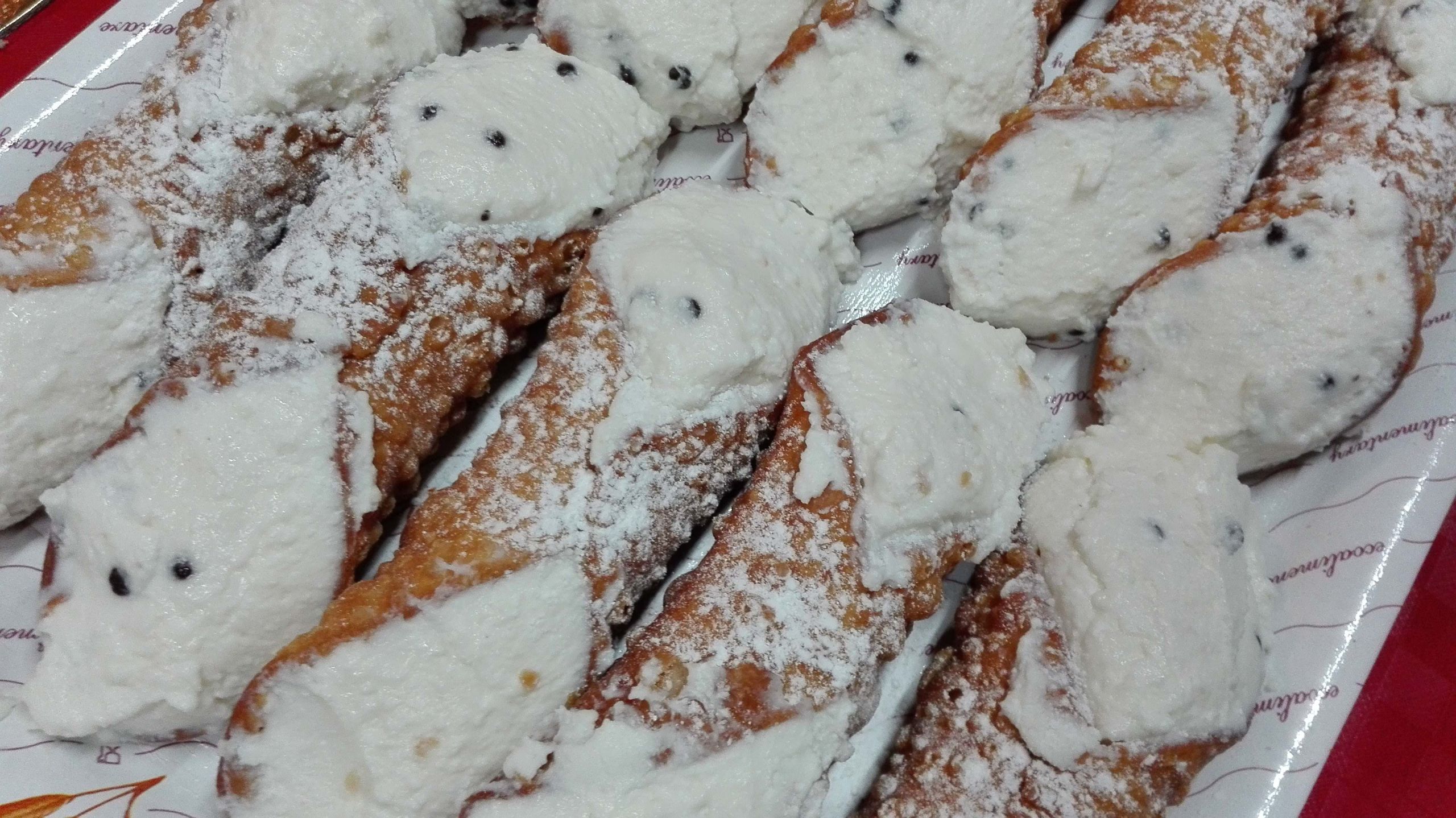
Sicilian cannoli are one of those desserts that seem simple only at first glance. A crispy, fried wafer filled with ricotta cream. The end.
In reality, every step is crucial. The ricotta must be sheep's milk, worked with patience, and sifted several times; the sugar shouldn't cover, but rather soften; the cannoli shell should break when bitten, without being hard or crumbly.
Cannoli in starred restaurants
In Michelin-starred restaurants, the cannolo is rarely reinvented. Rather, it's respected.
The variations are minimal, often invisible: a drier frying, a lighter ricotta, a different size.
The purpose remains the same: to offer a bite that instantly transports you to Sicily. This is what makes the cannolo a credible ambassador for the island's pastry-making tradition, even in the most sophisticated kitchens.
>>> See the recipe for Sicilian Cannoli
Cassata, the dessert that tells the story of Sicily's multi-layered history
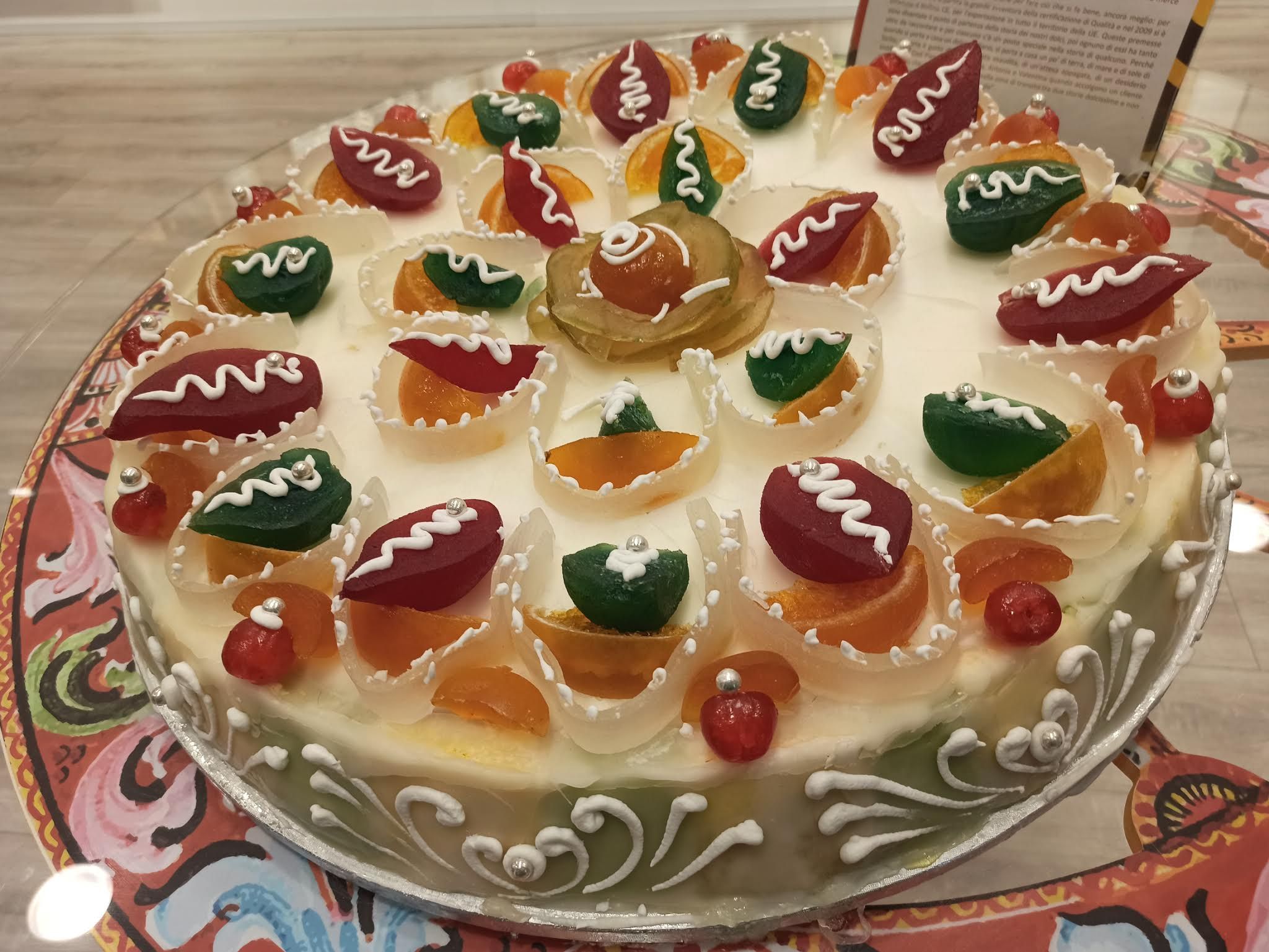
While the cannolo relies on immediacy, the cassata takes time. Time to prepare and time to understand. It's a dessert born of layers, just like the Sicily it represents.
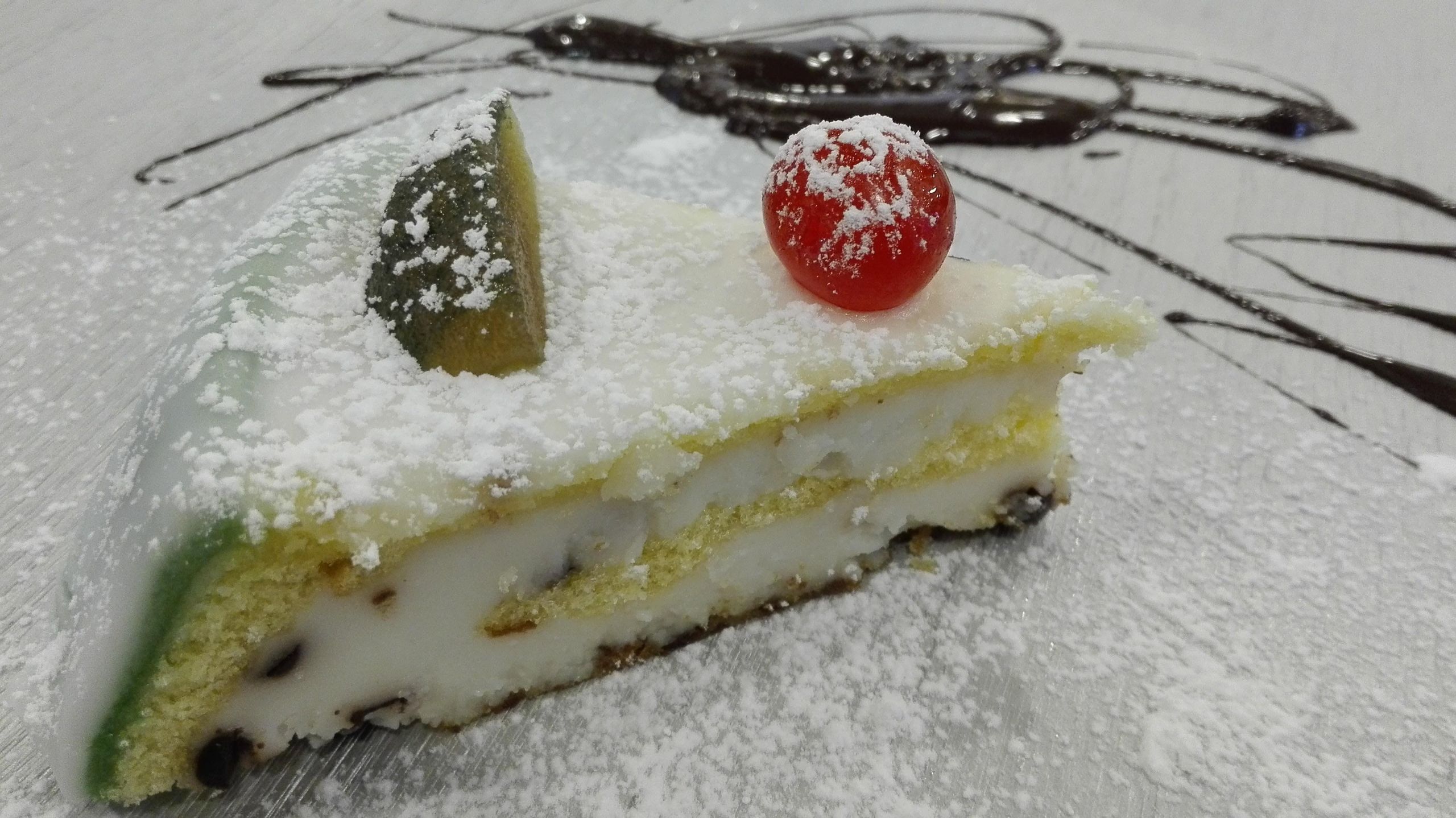
Sponge cake, ricotta, sugar, candied fruit, marzipan. Each ingredient has a specific function and a history rooted in centuries of Arab, Norman, and Spanish influences.
A complexity that is once again relevant today
For years, cassata was considered "too much": too rich, too sweet, too ornate. Today, however, it is once again being reinterpreted with respect. On Michelin-starred menus, it often appears in cleaner versions, with less bright colors and a balanced sweetness.
But the heart remains unchanged. Cassata continues to be a dessert that doesn't seek to please everyone, but to be understood. And it is precisely this strong identity that makes it relevant today.
>>> See the recipe for Sicilian cassata
Confectionery tradition and haute cuisine, an ongoing dialogue
The constant presence of cannoli and cassata in the 2026 Michelin Guide is no coincidence. It points to a clear direction: haute cuisine doesn't reject tradition, it listens to it.
In an increasingly global gastronomic landscape, the desserts that survive are those that express a place without needing explanation. Sicily, with its pastry-making, still manages to do so in a direct and recognizable way.
Six desserts that are symbols of Italian tradition
Alongside the Sicilian cannolo and cassata, the Michelin Guide highlights four other great classics of Italian pastry making that continue to be present and appreciated: tiramisu, sfogliatella, rum babà and gelato .
>>> Michelin Guide